

In a market more and more characterised by provenance and historic significance, LUXUO explores the enchantment of investing in collectable basic automobiles. Attributable to restricted manufacturing, distinct design authorship and documented racing heritage, a handful of fashions constantly defy broader market fluctuations. Past their mechanical prowess, these fashions function cultural artefacts with enduring enchantment for collectors. Shortage and confirmed lineage underpin lasting worth in a worldwide collector market that continues to develop.
Ferrari 250 GTO (1962–1964)
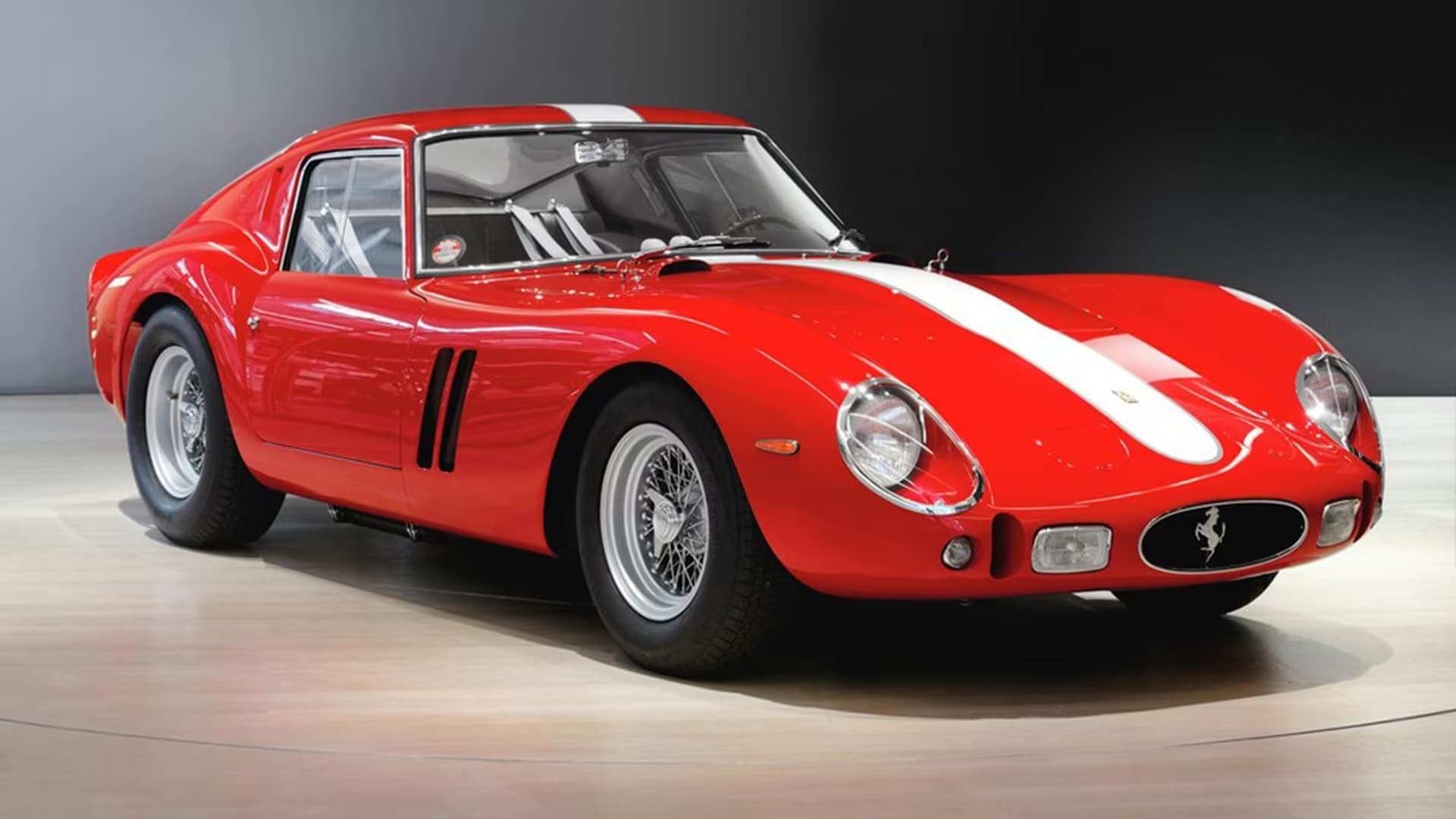
The Ferrari 250 GTO — which is steadily thought to be the top of collector need — combines distinctive rarity — simply 36 have been made — with a robust racing historical past that features a number of FIA World Sportscar Championship class triumphs. Its hand-built development and Colombo V12 engine are a pinnacle of analogue engineering. With personal gross sales over USD 28 million per automotive, the mannequin continues to fetch record-breaking public sale costs, solidifying its place as one of the crucial invaluable automobiles ever made. Giotto Bizzarrini oversaw its improvement and Sergio Scaglietti improved the bodywork. The 250 GTO’s 3.0-litre (2,953cc) V12 engine generates about 296 horsepower. Its aerodynamic form and light-weight tubular chassis have been refined for endurance racing. Its unparalleled provenance, minimal manufacturing and established historical past of competitors make it a gorgeous funding and a key element of any severe assortment.
Porsche 911 (1964–1989)
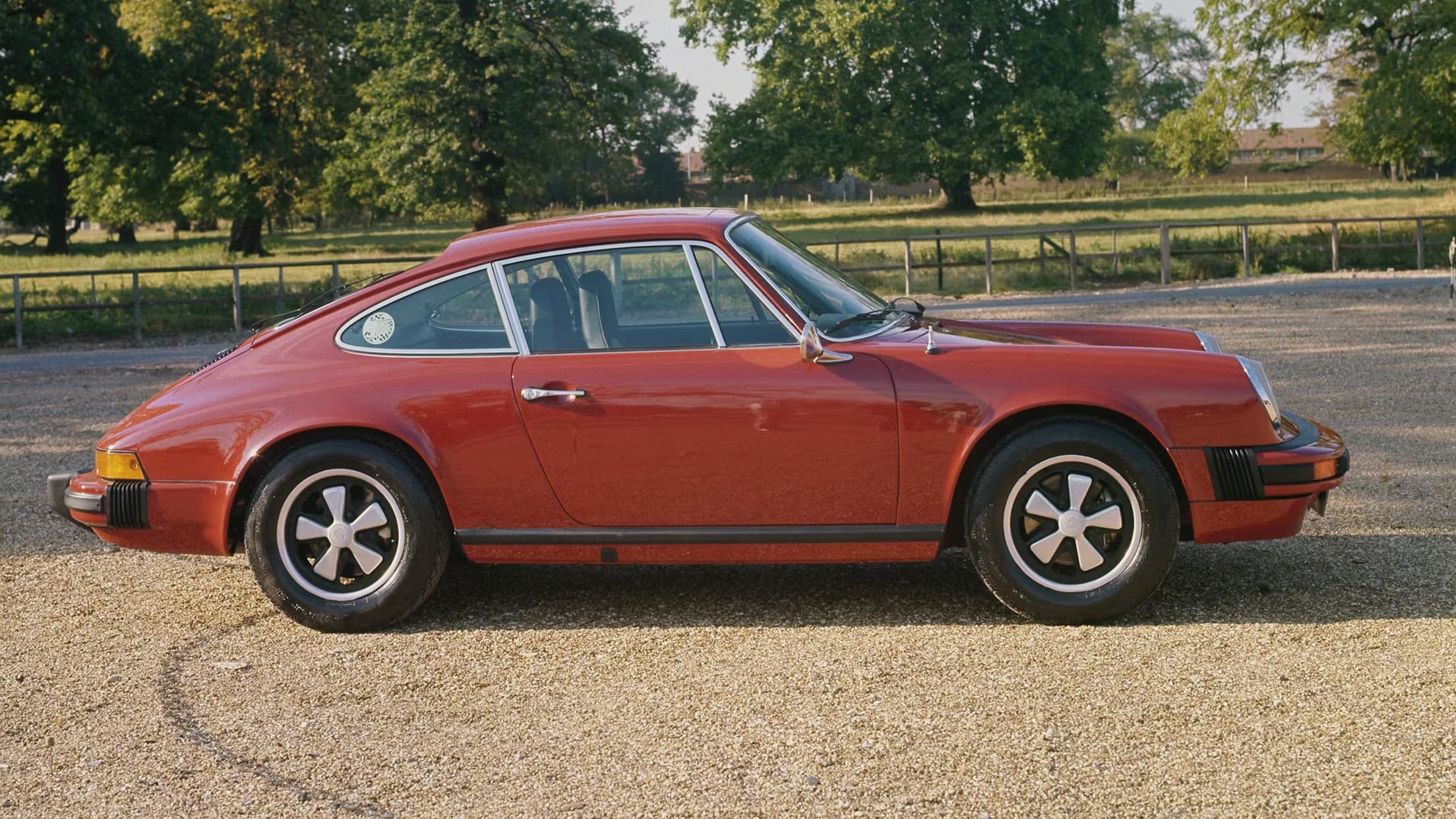
Few fashions have been as constant as the primary Porsche 911. Its rear-engine format and distinctive profile created an automotive design language that has largely persevered for many years. Air‑cooled fashions — particularly these from the Sixties to the late Nineteen Eighties — are extremely wanted for his or her mechanical purity and driving engagement. With comparatively wider manufacturing than many different classics, additionally they function an important start line for accumulating blue‑chip automobiles. Ferdinand Alexander Porsche created the unique variations, which had air-cooled flat-six engines that ranged in measurement from 2.0 to three.2 litres and produced between 130 and 231 horsepower within the Carrera 3.2-litre variant. Proudly owning a basic Porsche 911 supplies collectors with enduring worth, due to the mix of strong engineering, documented provenance and sensible usability. Originality and a verifiable service historical past are notably prized, particularly for early short-wheelbase fashions.
Jaguar E-Kind Collection 1 (1961–1968)
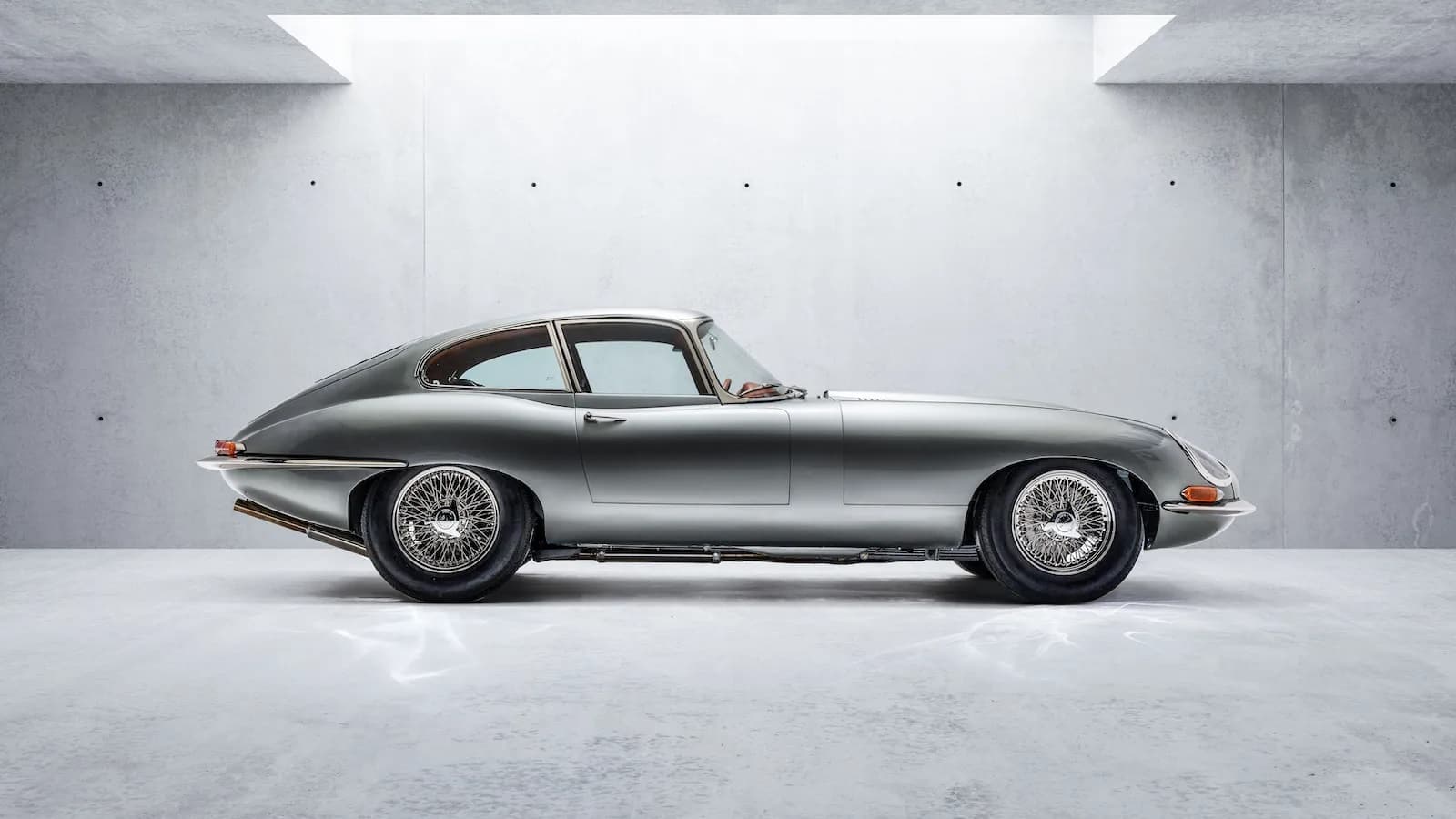
The Jaguar E-Kind Collection 1 — which debuted on the 1961 Geneva Motor Present — modified what a sports activities automotive might appear like in its worth vary. Enzo Ferrari referred to it as “essentially the most stunning automotive ever made”, all due to its aerodynamic, race-derived look and high velocity of 240 km/h. Essentially the most invaluable Collection 1 automobiles are the early ones, particularly these with lined headlamps and unique specs. The E-Kind — designed by Malcolm Sayer — had a 3.8-litre inline-six engine with 265 horsepower; it was later upgraded to a 4.2-litre engine with extra torque. Its unbiased rear suspension and monocoque design have been impressed by the D-Kind race car. The demand for this automotive is maintained by sturdy cultural consciousness and reasonably priced costs compared to rivals, particularly for low-mileage, matching-numbers fashions.
Aston Martin DB5 (1963–1965)
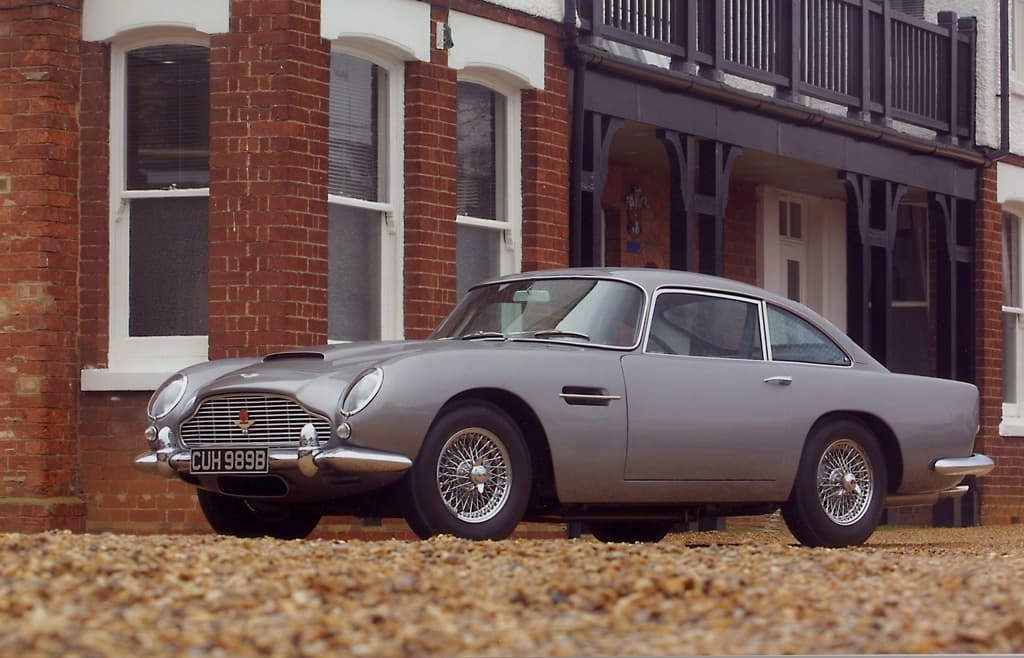
Past automotive brilliance, the Aston Martin DB5 nonetheless holds a particular place on the nexus of cinematic historical past — due to James Bond films. Powered by a 4.0-litre inline-six engine and completed with basic British craftsmanship, it initially appeared in Goldfinger (1964) and gained worldwide recognition due to its relationship with James Bond. Present collector demand nonetheless fuels this subtle grand tourer as a result of it stays a cinematic and automotive icon. The DB5 — designed by Carrozzeria Touring Superleggera and engineered by Harold Seaside — generates about 282 horsepower. Its grand touring capabilities have been enhanced by options akin to a ZF five-speed gearbox and aluminium physique panels. Lengthy-term worth stability is strengthened by restricted manufacturing of barely greater than 1,000 items and chronic media protection.
Shelby Cobra 427 (1965–1967)
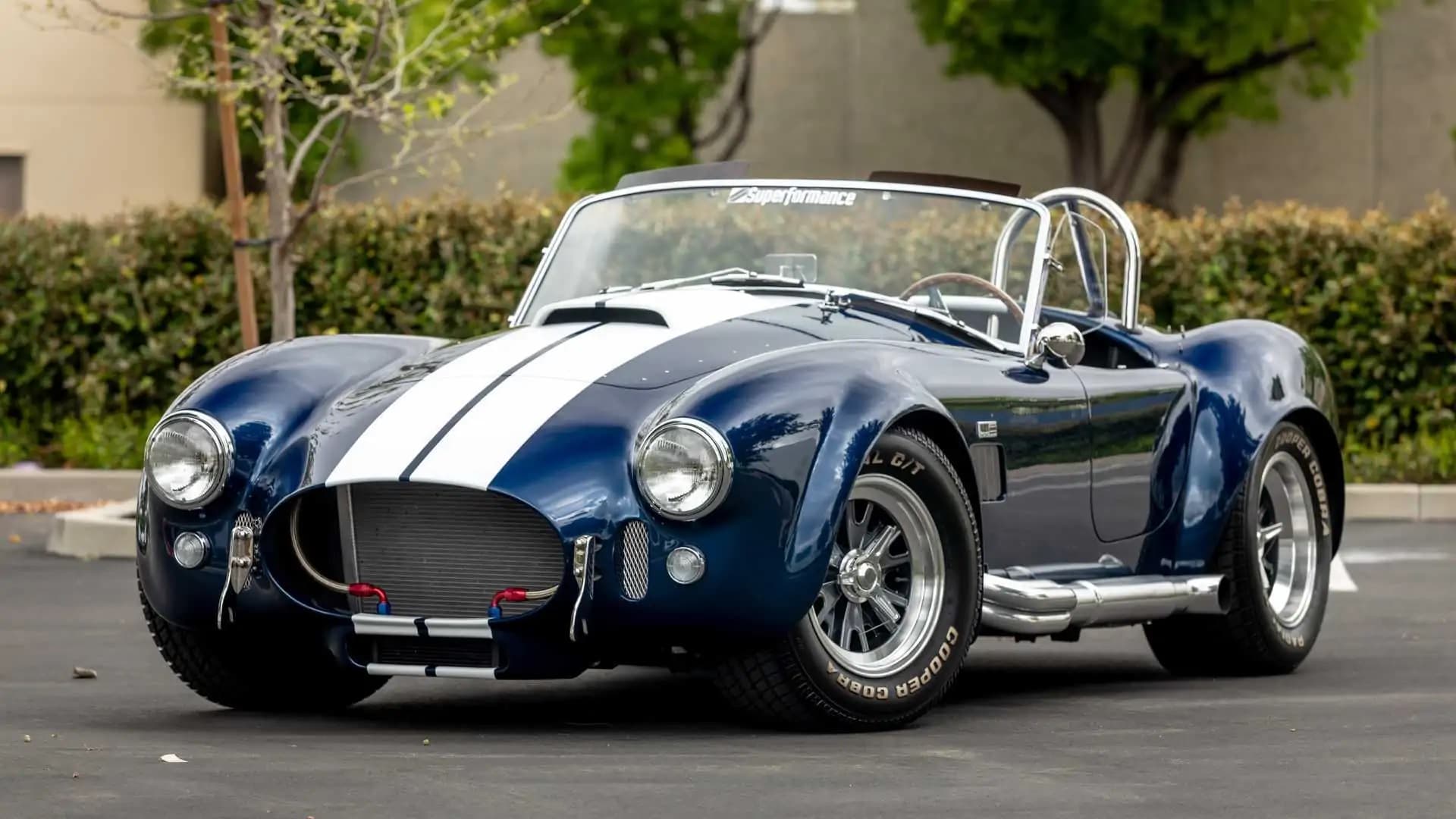
The Shelby Cobra 427 is the epitome of unadulterated efficiency. Created by Carroll Shelby in partnership with AC Automobiles, the automotive combines a Ford 7.0-litre V8 engine with a light-weight British chassis for distinctive power-to-weight efficiency. Unique fashions — particularly these with verified racing expertise — are extremely valued on account of their aggressive design language and race pedigree. With about 485 horsepower, the 7.0-litre V8 engine can speed up to the Century Dash in lower than 4 seconds. Its up to date coil-spring suspension set it other than earlier Cobras with leaf springs. Its fame as a blue-chip American collectable is supported by its shortage, intense driving nature and lineage linked to Shelby’s racing heritage.
Lamborghini Miura (1966–1973)
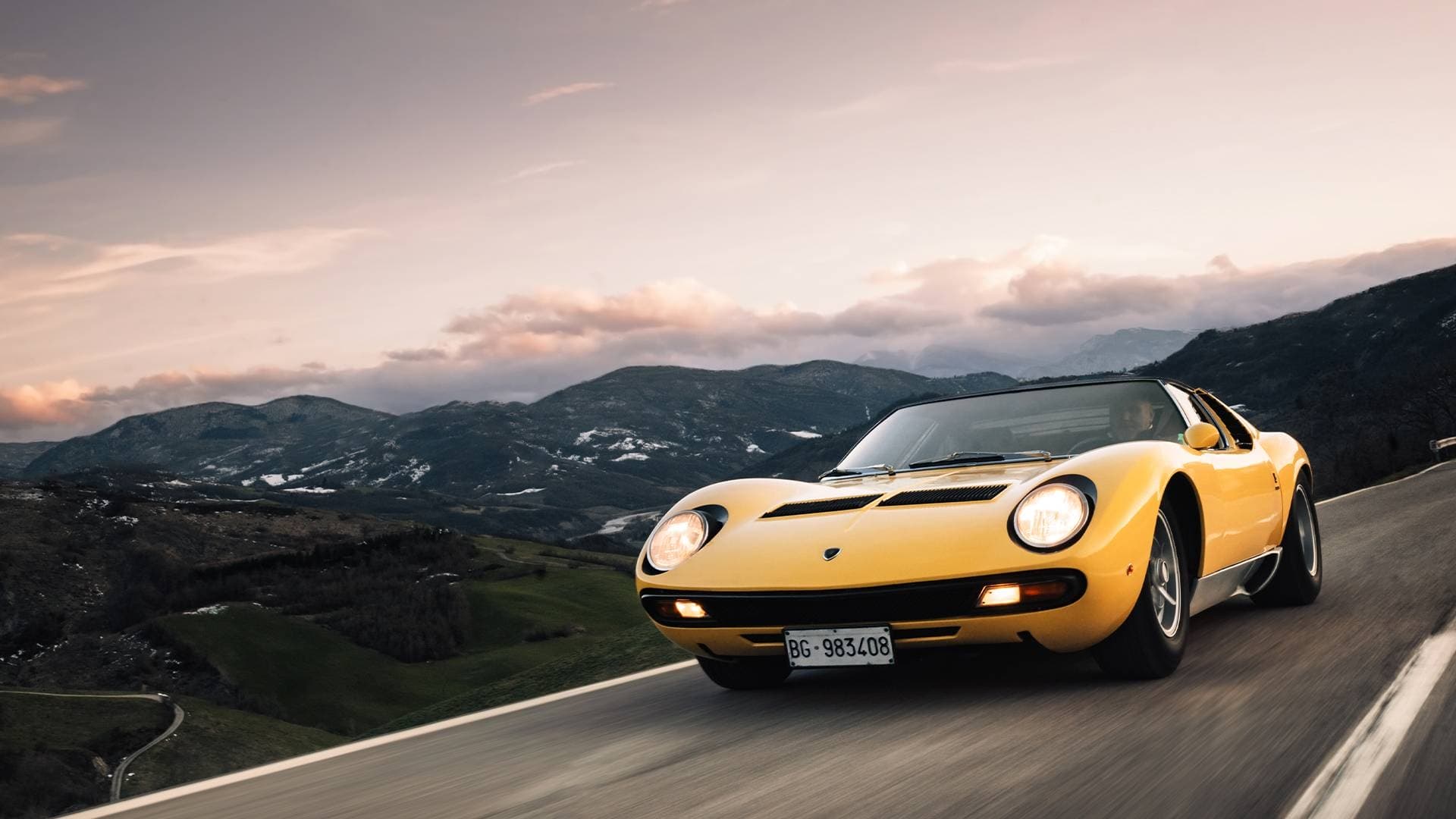
The Lamborghini Miura essentially redefined what a high-performance highway automotive could possibly be, which is why it’s extensively thought to be the primary true supercar. When it debuted in 1966, no different manufacturing automotive had ever mixed a mid-engine format, a transversely mounted V12 and a high velocity of over 273 km/h in a road-legal bundle. Created by Marcello Gandini at Bertone, the automotive established a brand new engineering and visible fashion that also influences the design of at the moment’s up to date supercars. The early P400 fashions are notably prized for his or her unadulterated design. The Miura — which had a 3.9-litre V12 engine that produced about 345 horsepower — blended distinctive packaging with eye-catching dimensions. Gian Paolo Dallara’s engineering contributions assured subtle chassis dynamics for its time. Design significance, restricted manufacturing and its contribution to reinventing efficiency car structure are the principle components driving collectability.
Mercedes-Benz 300SL Gullwing (1954–1957)
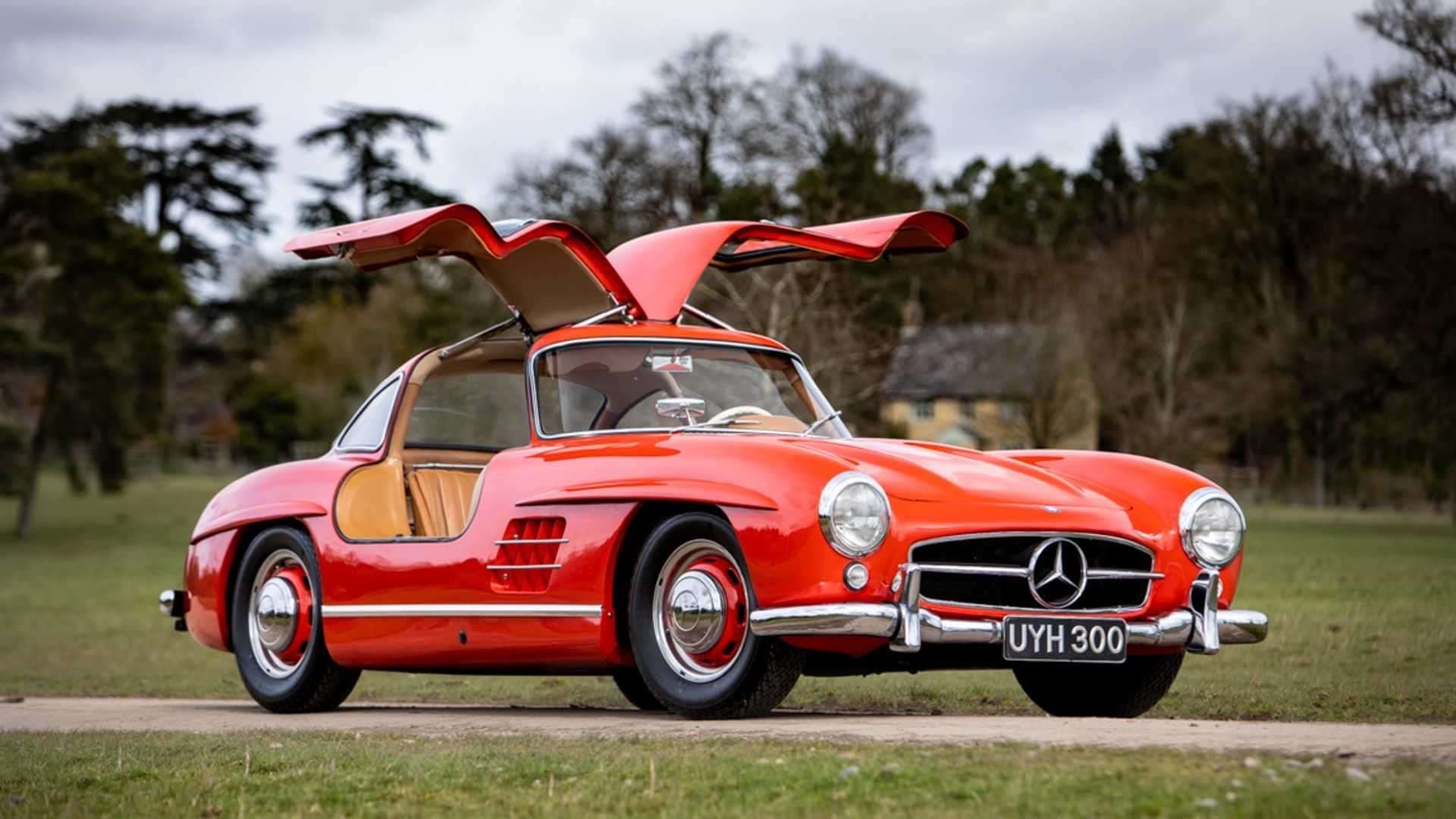
The Mercedes-Benz 300SL Gullwing is each a design basic and an engineering achievement. Its tubular spaceframe chassis required its distinctive upward-opening doorways and its fuel-injected straight-six engine made it the quickest manufacturing car accessible on the time. One of the identifiable and technically vital automobiles of the twentieth century, it was first created from Mercedes-Benz’s W194 racing programme. The three.0-litre inline-six engine — designed by Rudolf Uhlenhaut — generated about 215 horsepower. A high velocity of greater than 250 km/h was made potential through mechanical gas injection, a primary for a manufacturing car. Sustained collector demand is supported by restricted manufacturing of 1,400 coupés, sturdy provenance and technological development.
Alfa Romeo 8C 2900B (1937–1939)
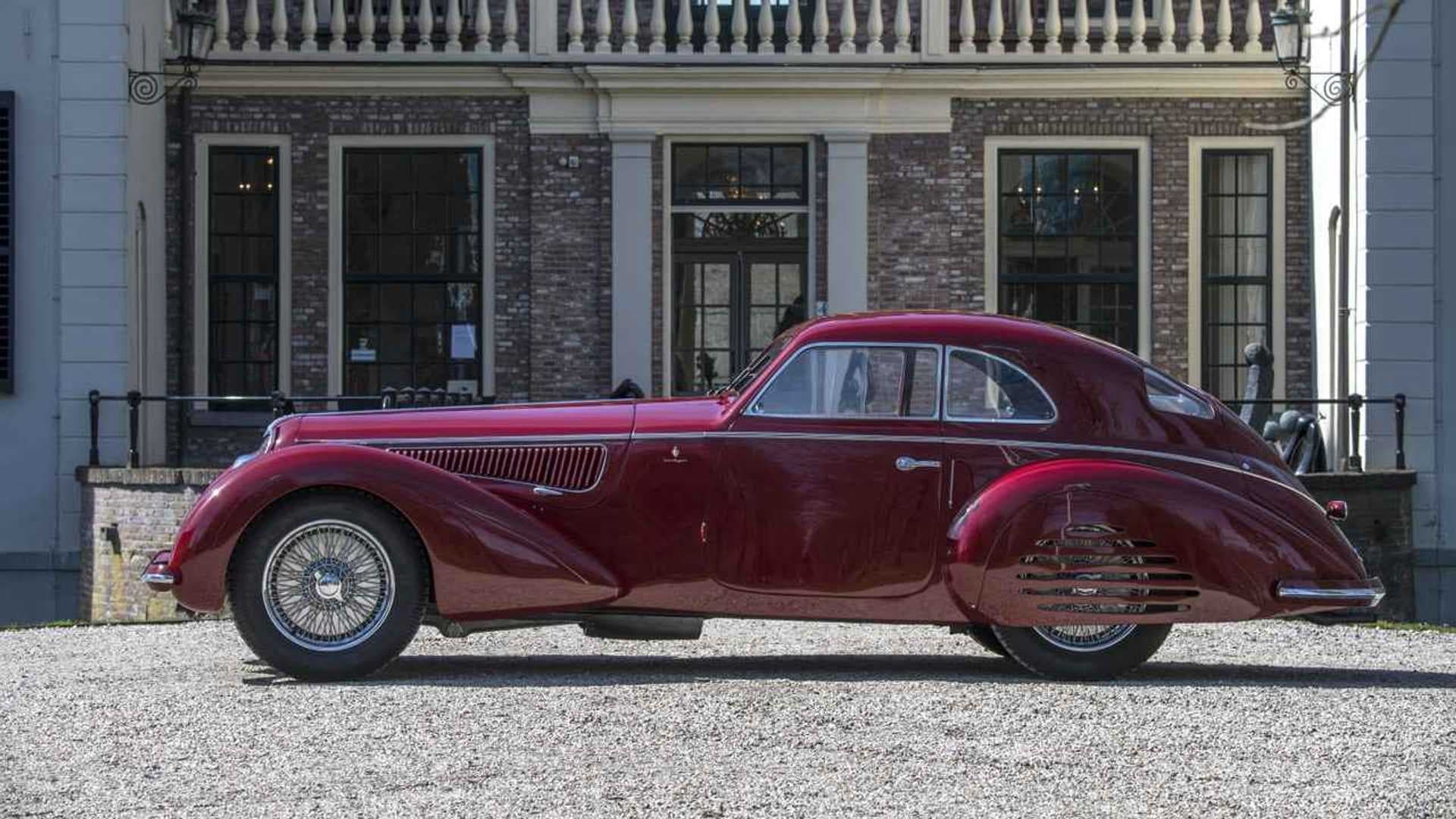
The Alfa Romeo 8C 2900B is the excellent instance of pre-war automotive perfection. It’s the epitome of Nineteen Thirties grand touring, combining coachbuilt bodywork from Touring and different Italian ateliers with progressive engineering for its time, together with unbiased suspension. It was produced in extraordinarily small portions and is at the moment thought to be one of the crucial invaluable and distinguished classic automobiles.
The supercharged 2.9-litre straight-eight engine — developed by Vittorio Jano — produced as much as 220 horsepower. Touring’s Superleggera development offered light-weight, elegant aesthetics. It’s a museum-grade funding on account of its rarity and “concours-level” craftsmanship (for instance, the exact recreation of a car’s unique state), with fewer than 40 items produced worldwide.
The Provenance of Traditional Automobiles
Lengthy-term worth within the collector car market is supported by provenance, engineering innovation and cultural resonance. This sample is constant throughout time durations and geographical places. These fashions have been elevated past transportation into long-lasting property by restricted manufacturing volumes, recorded competitors historical past and design authorship. Traditionally vital automobiles with confirmed ancestry proceed to point out endurance within the face of market fluctuations, solidifying their standing as each monetary devices and cultural artefacts.
For extra car reads, click on right here.


